.png)
The Price of Integrity: Why Silence Thrives — and Citizens Pay
- Steve Conley
- Feb 16
- 2 min read
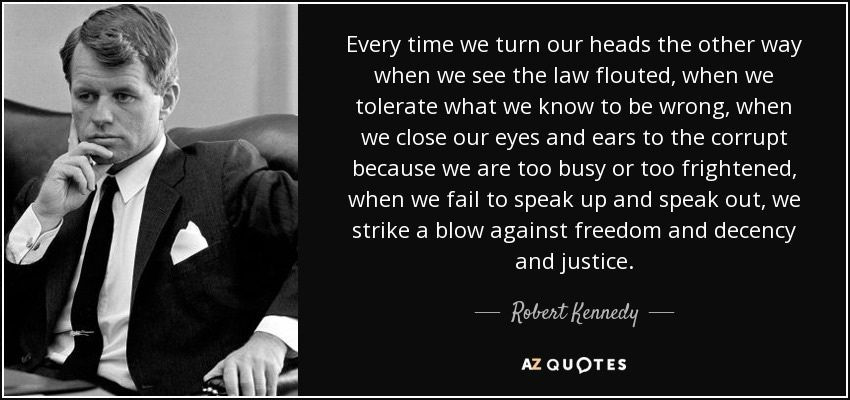
The image above carries a powerful truth: when people stay silent about wrongdoing, injustice grows.
Many people believe corruption survives because bad actors are strong. In reality, it often survives because good people feel trapped.
This is especially true inside large institutions and public bodies.
Why People in Senior Roles Stay Quiet
Most people who enter public service want to do good. But systems can punish honesty when honesty disrupts power.
People who speak up may face:
Career stagnation
Being excluded from meetings or decisions
Reputation damage
Loss of promotion opportunities
Isolation from colleagues
Pressure to resign
Some are quietly labelled “difficult.” Others are warned they are “not a team player.”
The message is clear: conform or leave.
Silence becomes a survival strategy.
The Real Financial Risk of Speaking Out
For senior professionals, the risk is not just emotional or social. It is financial.
A forced or hostile exit can affect:
1. Salary trajectoryFuture employers may hesitate to hire someone seen as controversial.
2. Pension growthLeaving early can reduce:
final salary calculations
employer contributions
service years
promotion-linked pension uplifts
3. Bonuses and deferred awardsMany senior roles include long-term incentive plans that are forfeited if employment ends under dispute.
4. Reputation capitalYour professional standing affects future earnings for decades.
So people do the maths.They see the cost of integrity. They choose silence.
How Silence Harms the Public
When insiders stay quiet:
misconduct goes unchecked
victims are dismissed or disbelieved
complaints are minimised
investigations stall
regulators rely on false assurances
Citizens then experience something deeply damaging: institutional gaslighting.
They are told:
nothing went wrongnothing can be provennothing will change
Over time, this destroys trust, health, finances, homes, and sometimes lives.
Why Systems Protect Themselves
Institutions are designed to preserve stability. That sounds positive — until stability means protecting reputation instead of truth.
Systems often reward:
compliance over courage
loyalty over honesty
image over substance
This is sometimes called performative integrity:appearing ethical while avoiding accountability.
The Hidden Courage Gap
Most insiders are not corrupt.They are afraid.
They may have:
mortgages
families
health concerns
retirement plans
Speaking out can feel like stepping off a cliff with no safety net.
Without protection, integrity becomes a personal risk rather than a professional duty.
Why Whistleblowers Matter
Real change almost always begins with one person deciding:
“I will not stay silent.”
Whistleblowers and truth-tellers often pay a price. But they also:
expose hidden harm
protect future victims
force reform
restore accountability
They are not troublemakers.They are early warning systems.
What Needs to Change
If society wants integrity, systems must make it safe.
That means:
real whistleblower protection
independent investigations
consequences for retaliation
transparent complaint processes
support for those who speak up
Integrity should never cost someone their livelihood.
A Message for Those Who Feel Alone
If you have spoken up and paid the price:
You are not weak. You are not difficult. You are not the problem.
You are evidence that integrity still exists.
And that matters more than any title or institution.
Get SAFE exists for people who told the truth — and were punished for it. Support, clarity, and practical next steps are possible. You do not have to face it alone.


Comments